Manufacturing and industrial organizations are under constant pressure to increase output, control costs, and respond to changing demand without sacrificing quality or uptime. When legacy systems, fragmented data, and manual processes are the foundation, that pressure compounds fast. We partner with industrial leadership teams to build the operational infrastructure, data visibility, and execution discipline that turns modernization into measurable throughput and margin improvement.v
ERP, Automation, And Industrial System Integrations Built For Scale
Operational Performance & Capacity Optimization
Growth in manufacturing is limited by operational capacity. As demand increases, bottlenecks, manual workflows, and disconnected systems constrain throughput, increase labor dependency, and reduce efficiency. We work with leadership teams to improve production visibility, identify operational constraints, and align processes, systems, and workforce execution around throughput, quality, and cost control so the organization can increase output without increasing operational risk or unit cost.
Data Visibility, Integration & Decision Intelligence
When data is delayed, inconsistent, or incomplete, leadership cannot make timely decisions about capacity, cost, or performance. We design integrated data environments that connect operational technology and enterprise systems to provide real-time visibility into production performance, downtime, quality trends, inventory, and operational efficiency. The result is faster decision-making, improved operational control, and the visibility required to scale production with confidence.
Platform Modernization, Automation & Scalable Infrastructure
Legacy systems that once held the operation together become barriers to efficiency, scalability, and growth as production complexity increases. We modernize enterprise and operational platforms, integrate OT and IT environments, and implement automation where it delivers measurable operational value. Our focus is improving system reliability and interoperability while protecting production continuity throughout the transition.
Embedded Technical and Operational Leadership
When internal teams are fully allocated or specialized expertise is required, we embed experienced engineers and technical leaders directly into plant, operations, and leadership environments to accelerate improvement initiatives without disrupting day-to-day production. Immediate execution capacity when and where it matters most.
.
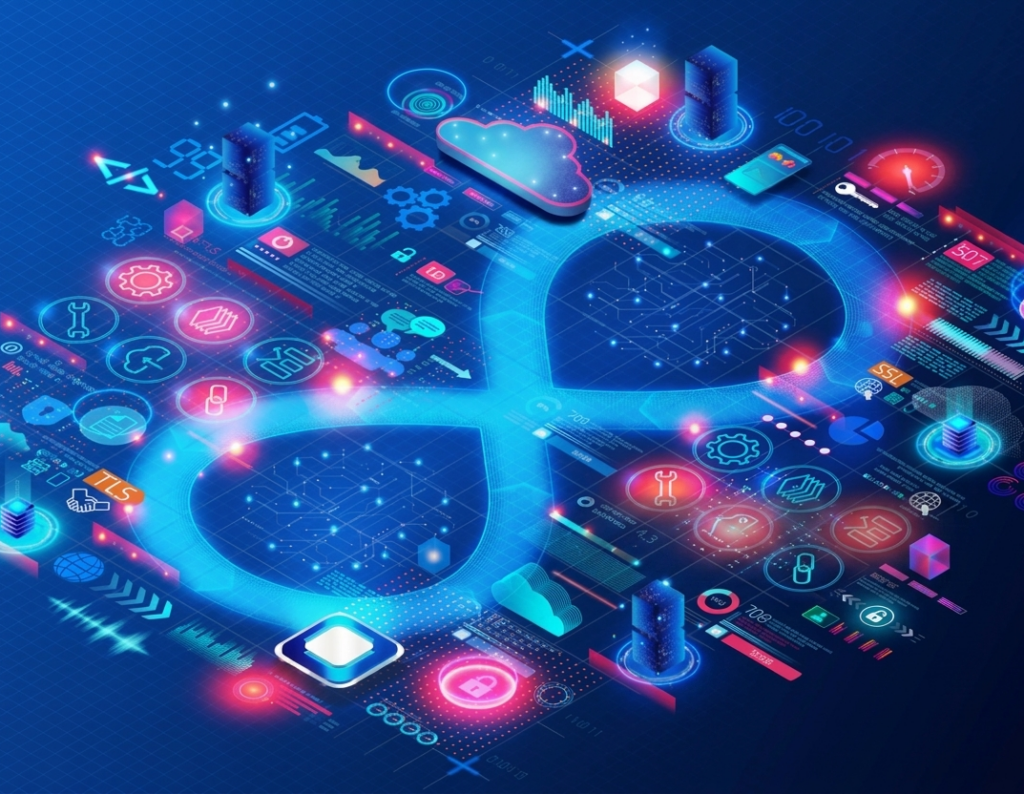
Most industrial organizations don’t struggle because of lack of ambition. They struggle because legacy systems, fragmented data, and manual processes limit their ability to increase throughput, control cost, and scale efficiently. Production systems operate in silos. Data is delayed or unreliable. Automation initiatives fail to deliver expected returns because they aren’t aligned with operational workflows. As these constraints compound, capacity planning becomes reactive, labor costs rise, capital investments underperform, and growth opportunities are limited not by demand but by operational confidence.
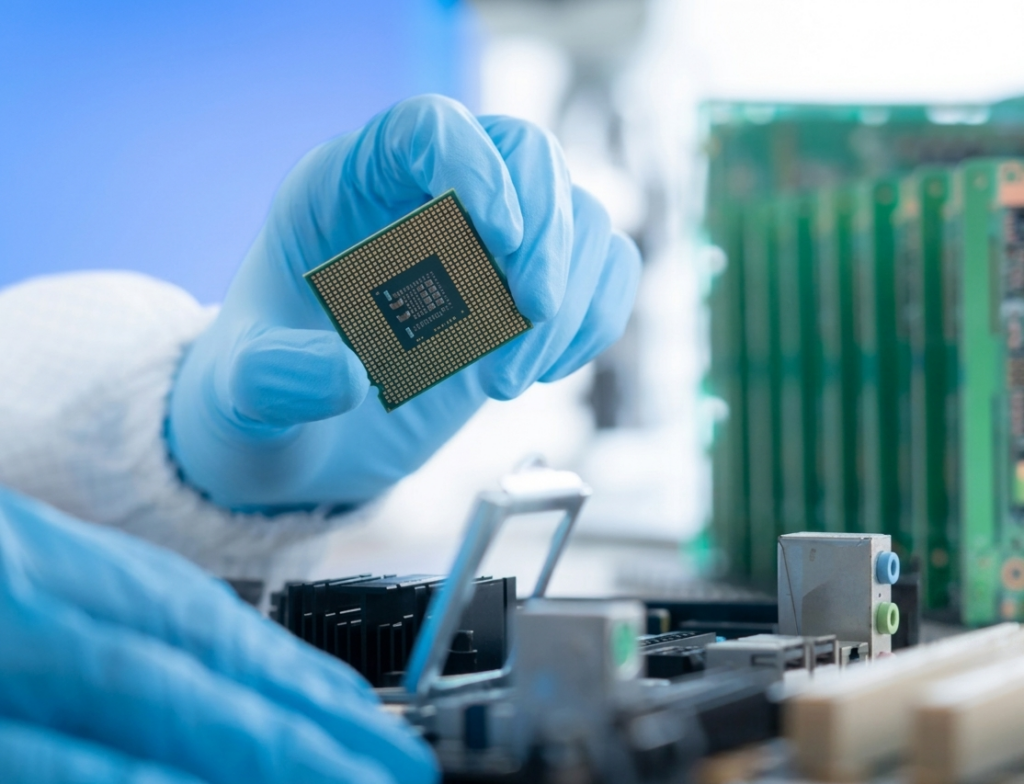
After working with AE, the organization operates on a stronger foundation. Production capacity increases without sacrificing quality. Leadership has real-time visibility into performance, cost, and operational risk. Automation initiatives deliver measurable efficiency instead of adding complexity. And the operational infrastructure is built to support expansion whether that means new product lines, new facilities, or increased utilization without introducing instability or margin erosion.
Improved Production Visibility
Integrated fragmented operational and enterprise systems into unified reporting environments giving leadership real-time visibility into production performance, downtime, quality trends, and operational efficiency across facilities.
Increased Throughput Without Added Risk
Identified and eliminated operational bottlenecks through workflow optimization, capacity modeling, and production planning alignment, increasing output without increasing labor strain or unit cost.
Modernized Infrastructure That Perform
s Replaced legacy production and enterprise platforms with scalable, reliable infrastructure capable of supporting increased volume, automation, and integration without disrupting ongoing operations.
Automation That Delivers Measurable Returns
Implemented automation and analytics initiatives directly aligned with operational workflows, producing measurable efficiency gains and margin improvement rather than technology complexity.
This work is designed for organizations where production systems, operational visibility, and process reliability function as mission-critical business infrastructure. It is the right fit for manufacturing organizations increasing production volume or operational complexity, companies experiencing capacity constraints, bottlenecks, or rising operational costs, industrial firms modernizing legacy systems or plant infrastructure, organizations integrating operational technology with enterprise IT platforms, PE-backed manufacturing platforms where operational efficiency and margin improvement directly impact enterprise value, and leadership teams responsible for increasing throughput and expanding capacity without increasing operational risk.
You don’t need to have every operational challenge mapped before the first call. Bring us your current constraints, your growth goals, and the systems you’re working with today. We’ll assess where the gaps are, identify what’s limiting throughput and margin performance, and walk you through a clear path forward built around your operational environment and timeline.